Pearce History
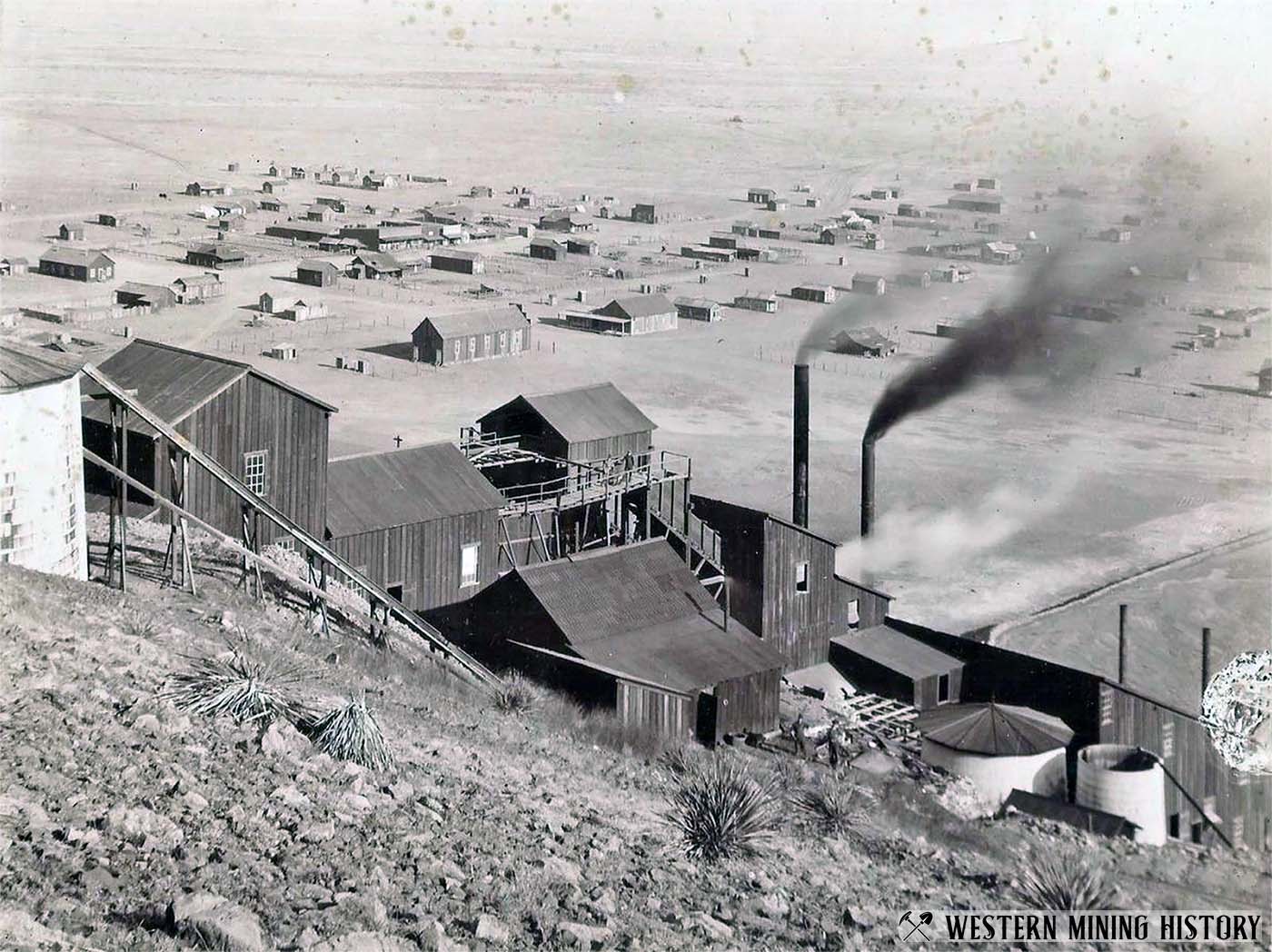
The history of Pearce begins in 1895 with a gold and silver discovery by James “Jimmie” Pearce, a Cornish miner and cattleman who had moved to the Sulphur Springs Valley after his earlier work around Tombstone. According to historical accounts, Pearce was searching for stray cattle when he and his family found quartz rock containing silver and gold. Assays revealed exceptionally rich ore, prompting Pearce and his sons to stake multiple claims and sparking a mining rush in the district.
Pearce’s discoveries led to the founding of the Commonwealth Mine in 1895, which would become the economic heart of the community. The town that sprang up around the mine was named Pearce in his honor. A post office was established on March 6, 1896, and operated out of the company store.
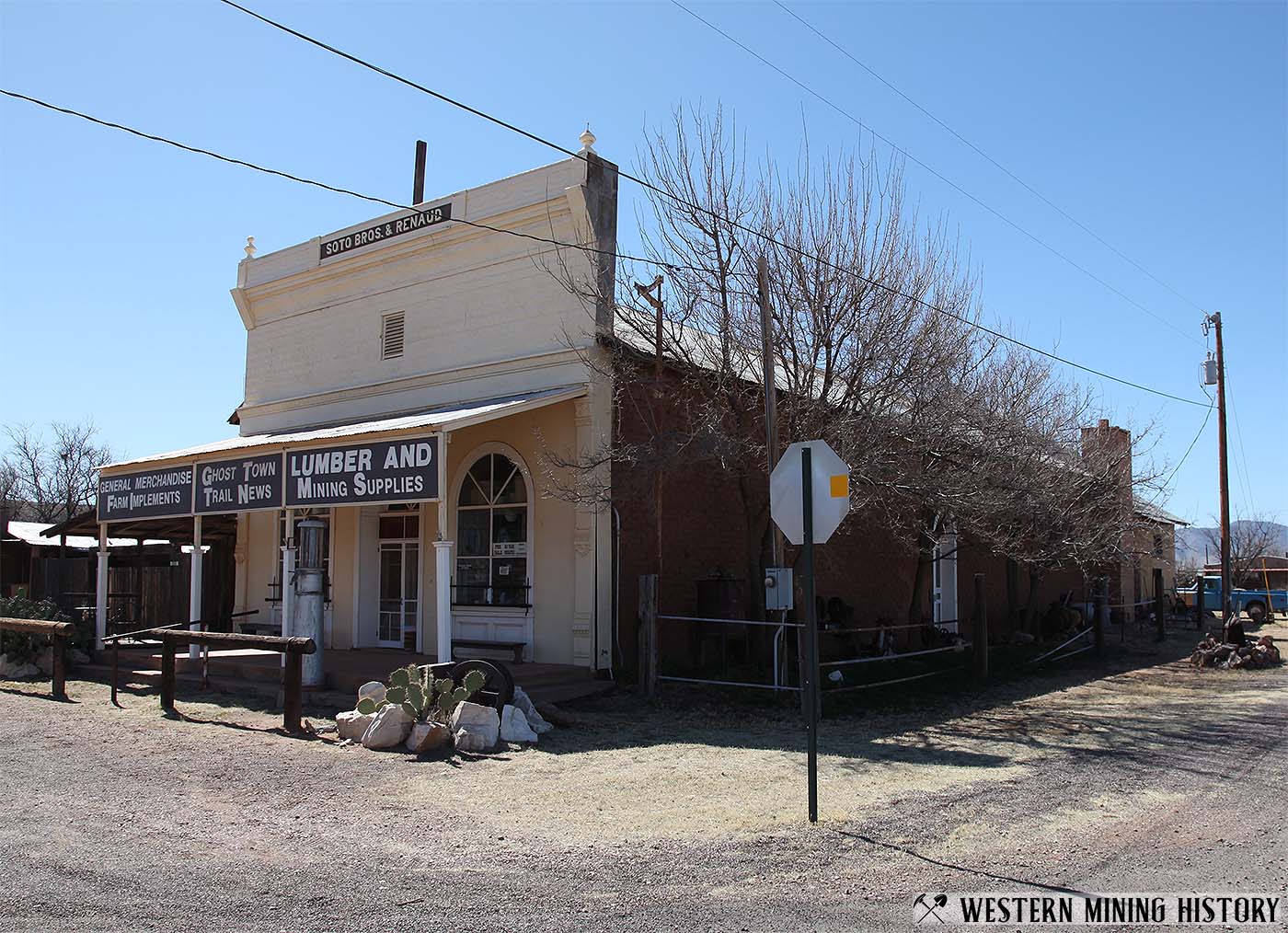
Pearce in 1897
The September 18, 1897, edition of The Arizona Republic described the mining town of Pearce in detail. The following is a summary of that article.
With a population of roughly 250 residents, Pearce featured wide, named streets and a growing collection of adobe and frame buildings, many of which had been relocated from Tombstone and Willcox.
General merchandise stores, including the company store and independent shops, supplied goods and freight services. The town featured several hotels and restaurants, along with drugstores, a blacksmith shop, barber, butcher shop, and corral. Laundries, a jeweler, and various tradespeople rounded out the local economy. Entertainment and social life centered on saloons, a skating rink with a maple dance floor, and plans for a variety theater.
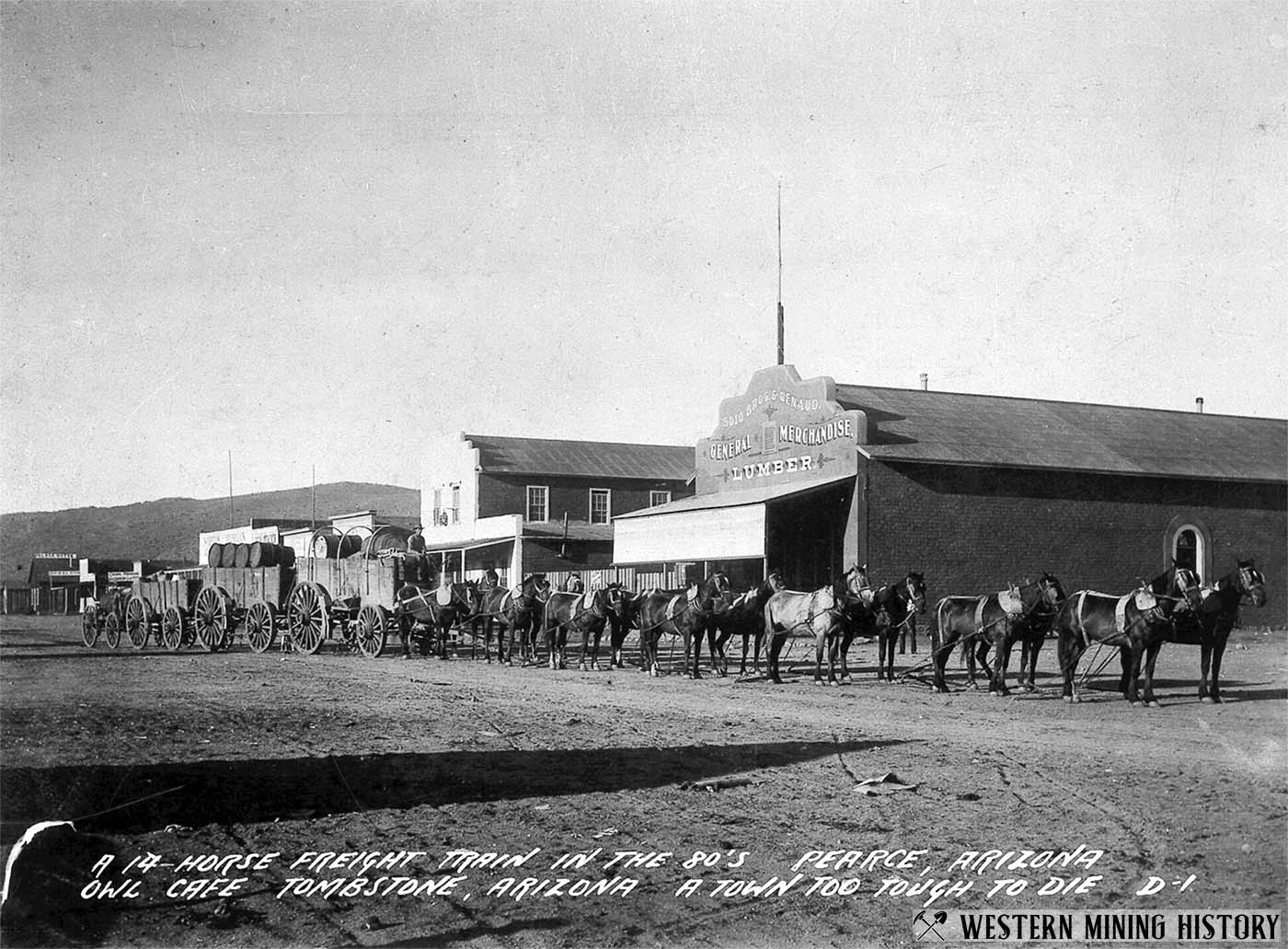
Water was supplied from a 300-foot-deep well, stored in large tanks, and sold at 25 cents per barrel, or 40 cents when delivered. Electric lighting was available at the Commonwealth Mine through company dynamos, while most businesses relied on oil lamps. Telephone service connected Pearce to Cochise Station on the Southern Pacific Railroad, allowing residents to send and receive Western Union messages. Stage routes linked the town to Tombstone, Willcox, Rucker, and other nearby communities.
Rise and Fall
The success of the Commonwealth Mine fueled rapid growth of the town. Pearce drew miners, merchants, ranchers, and families from across the region. In 1903, the Arizona Eastern Railroad built a spur to the town, linking it to the Southern Pacific main line and allowing ore and goods to move more efficiently. This rail connection greatly stimulated both the town and the local mining industry. Pearce peaked in 1919 with a population of around 1,500 people.
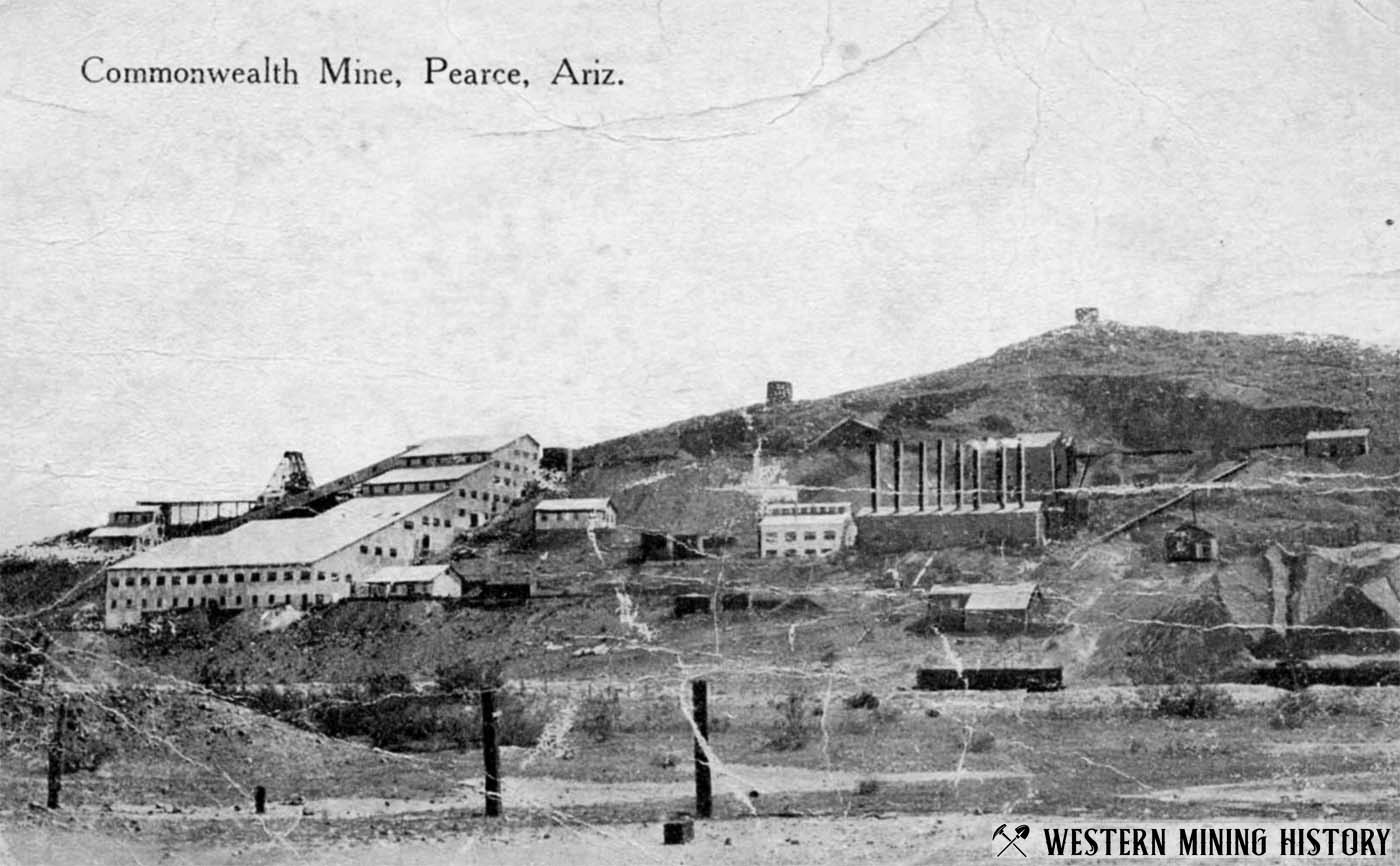
The Commonwealth Mine became one of Arizona’s major silver producers, generating large quantities of ore over nearly five decades of operation. Between 1895 and 1942, the mine produced more than 1,000,000 tons of ore, yielding millions of dollars’ worth of silver and gold at historical prices.
By the late 1920s and into the Great Depression of the 1930s, mining activity in Pearce began to decline. Declining ore grades, fluctuating commodity prices, and broader economic hardship hit the town hard. The Commonwealth Mine operated intermittently through this period but ultimately closed for the final time in the early 1940s. By the late 1940s, Pearce had largely lost its population and many of its businesses, transitioning toward the status of a near-ghost town.
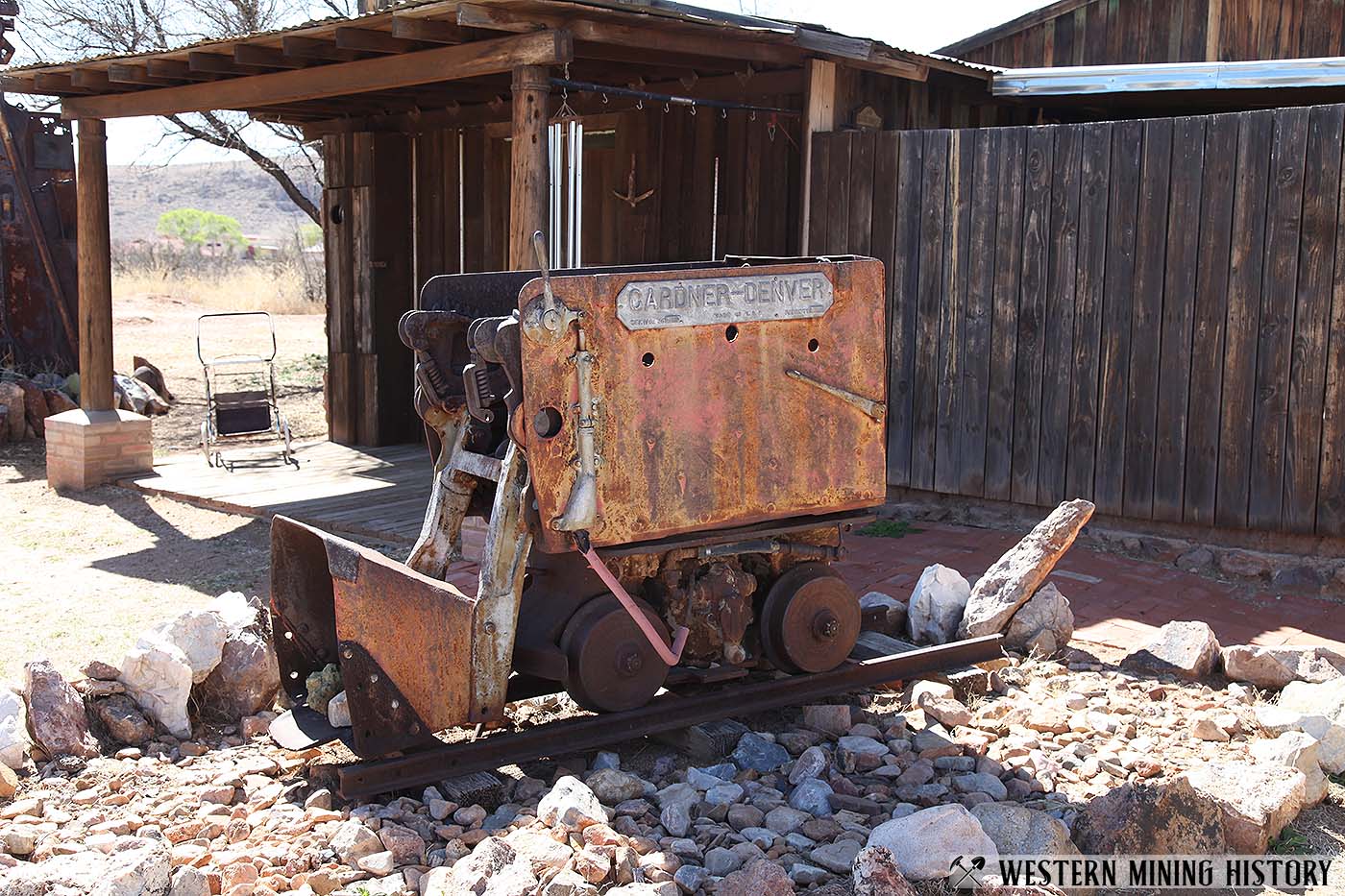
While the post office continued for decades, most businesses shuttered as residents left in search of work elsewhere. Nonetheless, a handful of families remained in the area, and Pearce never became entirely abandoned.
Arizona Mining Photos
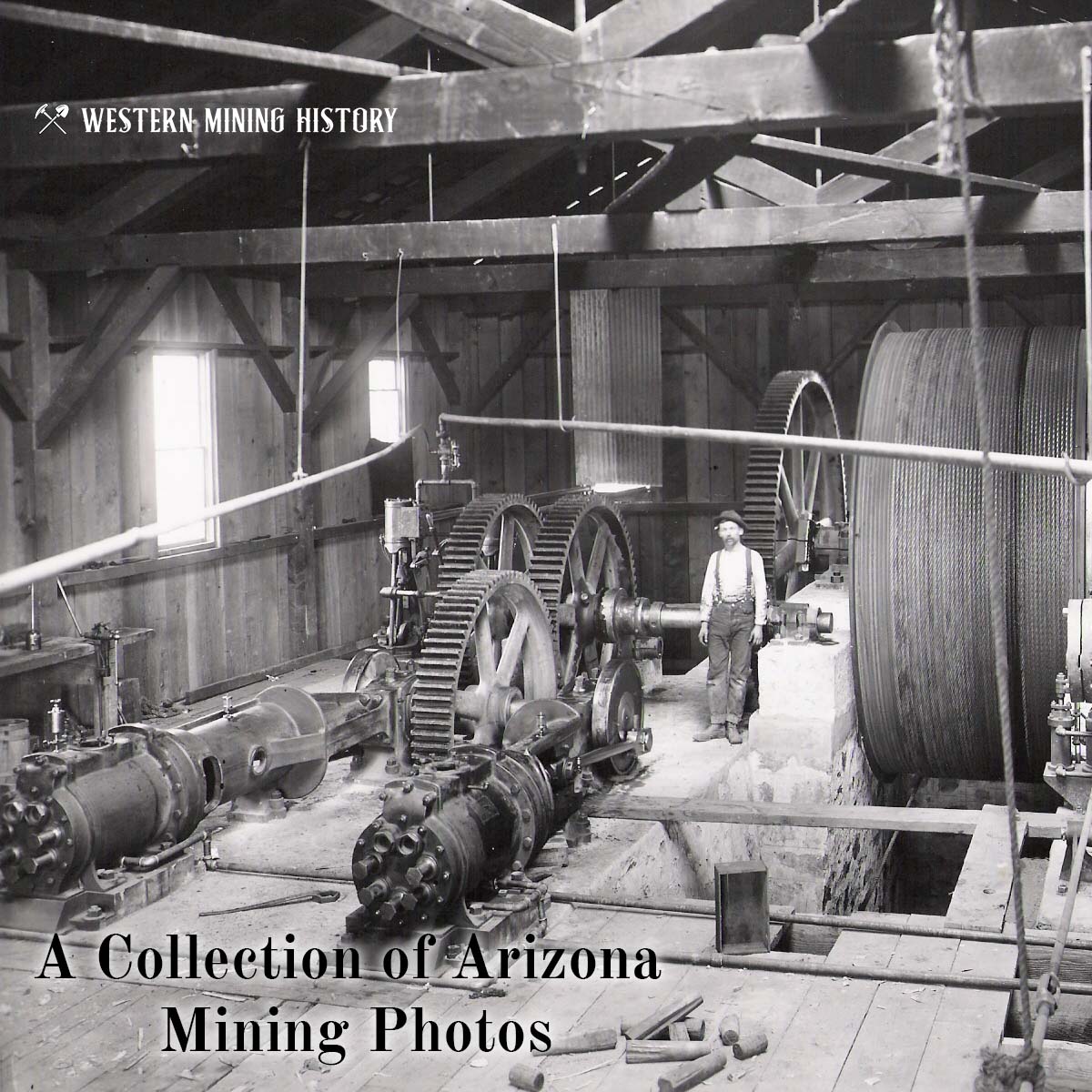
View over 35 historic Arizona mining scenes at A Collection of Arizona Mining Photos.
Arizona Gold
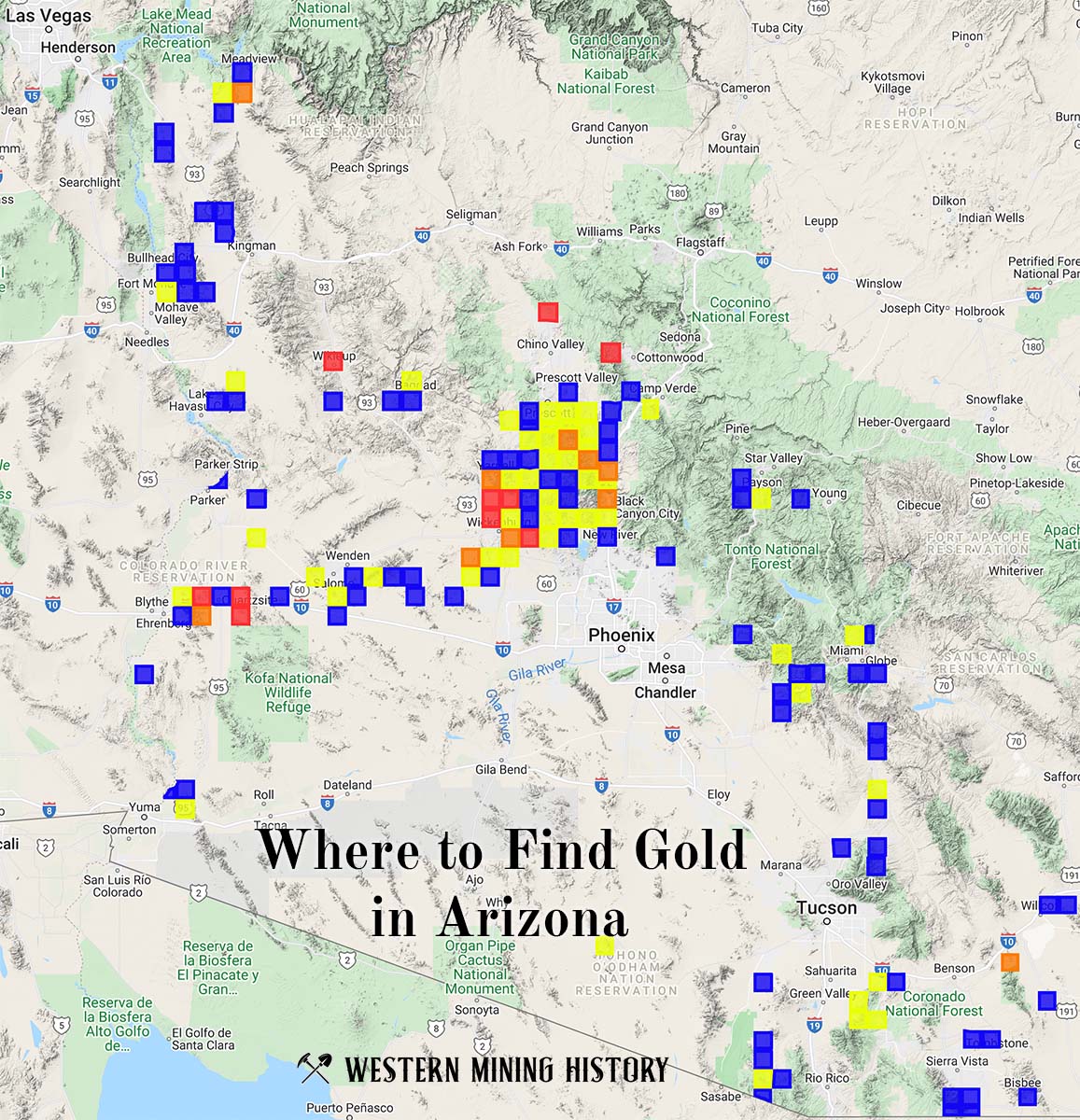
"Where to Find Gold in Arizona" looks at the density of modern placer mining claims along with historical gold mining locations and mining district descriptions to determine areas of high gold discovery potential in Arizona. Read more: Where to Find Gold in Arizona.
